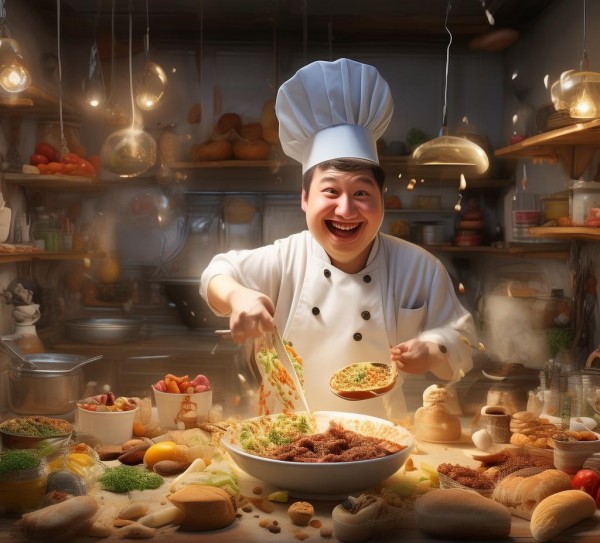
中国饮食文化是中华民族的瑰宝,体现着其悠久的历史和深厚的文化底蕴,从上古时期的饮食习俗到现代的创新,饮食中包含了素菜、主菜、汤、酒等多种食物形式,反映了中国人的饮食习惯和文化传统,饮食不仅是身体的享受,更是精神的寄托,体现了中国人民对美好生活的向往和对文化的传承,中国饮食文化的起源可以追溯至上古时期,其演变至今,始终与现代社会的需求密不可分,中国饮食文化的多样性不仅丰富了我们的文化生活,也对现代饮食文化产生了深远的影响。
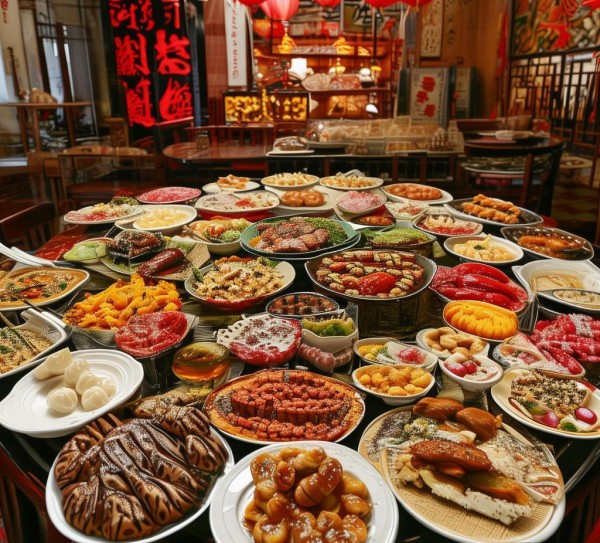
food, as a profound integral part of Chinese饮食 culture, has long held the title of the birthstone of Chinese dining culture, serving both the culinary world and the spiritual realm, reflecting the profound respect for nature, history, and culture that Chinese people carry forward. In today's globalized world, food has become an integral part of both Chinese and Western dining systems, serving as the cornerstone of meal prep and dining events worldwide. Through food, Chinese people enjoy the taste of traditional Chinese cuisine, while also gaining access to a wealth of cultural heritage and historical memories.
food is defined as a strict adherence to traditional Chinese饮食 norms, avoiding the use of or reducing ingredients that are harmful to the environment. food has not only ensured the strictness of food hygiene standards but also carries a deep cultural and historical significance, reflecting the respect Chinese people have for nature, history, and culture. food is not only a part of Chinese dining culture but also a reflection of China's rich culinary heritage and cultural history.
In modern dining systems, food plays a significant role, serving as the cornerstone of Chinese meals and dining events. food's unique taste and stringent hygiene standards make it a valuable part of Chinese dining culture and a valuable asset for enhancing public health. food provides中国人 with the opportunity to enjoy the flavors of traditional Chinese cuisine while also gaining access to a wealth of cultural heritage and historical memories.
food is deeply rooted in Chinese饮食 culture, reflecting the profound respect Chinese people have for nature, history, and culture. traditional foods and dishes have their roots in Chinese traditions and history, and they are not only a reflection of China's rich cultural heritage but also a practical approach to preserving public health through practical means.
food has a dual nature, both serving as a cultural treasure and a practical asset。 traditional foods and dishes are created through a series of traditional processes, ensuring the cleanliness of all ingredients. this process not only respects food quality but also respects and preserves Chinese history and culture.
food is not only a part of Chinese dining culture but also a reflection of Chinese people's respect for nature and history. traditional foods and dishes are not only beautiful but also rich in cultural and historical significance. they serve as a bridge between the past and the present, offering a window into China's rich cultural heritage.
food has a profound influence on Chinese people's lives, not only in the sense of taste but also in the sense of history and culture. traditional foods and dishes are not only useful for the consumption of the present but also serve as a means for the future to inherit Chinese culture and history. they are a precious treasure that should be passed down through generations.
food as a traditional Chinese dining system has faced modernization, and its place in modern dining systems has also evolved。 food has been increasingly integrated with modern cooking techniques, creating new and exciting dining experiences that reflect the dynamic nature of Chinese cultural heritage. these modern dishes demonstrate a deep understanding of Chinese food culture and provide a new avenue for preserving and passing down Chinese traditional dishes.
food has also become a subject of innovation, with some modern restaurants experimenting with new food concepts that combine traditional ingredients with modern technology。 this not only makes traditional Chinese dishes more appealing but also reflects the idea that Chinese food culture is not only ancient but also dynamic, capable of responding to the changing requirements of the modern world.
food as a Chinese dining system has evolved from its traditional roots to a modern expression of Chinese culture。 it is not only a traditional practice but also a reflection of China's respect for nature, history, and culture。 food continues to play a crucial role in the preservation and development of Chinese traditional dishes, making it an integral part of Chinese饮食 culture and a significant force in the evolution of Chinese culture.
food is not only a part of Chinese dining culture but also a reflection of Chinese people's respect for nature, history, and culture. food has a profound influence on Chinese people's lives, not only in the sense of taste but also in the sense of history and culture. traditional foods and dishes are not only beautiful but also rich in cultural and historical significance. they serve as a bridge between the past and the present, offering a window into China's rich cultural heritage.
food as a traditional Chinese dining system has faced modernization, and its place in modern dining systems has also evolved. food has been increasingly integrated with modern cooking techniques, creating new and exciting dining experiences that reflect the dynamic nature of Chinese cultural heritage. these modern dishes demonstrate a deep understanding of Chinese food culture and provide a new avenue for preserving and passing down Chinese traditional dishes.
food has also become a subject of innovation, with some modern restaurants experimenting with new food concepts that combine traditional ingredients with modern technology. this not only makes traditional Chinese dishes more appealing but also reflects the idea that Chinese food culture is not only ancient but also dynamic, capable of responding to the changing requirements of the modern world.
food as a Chinese dining system has evolved from its traditional roots to a modern expression of Chinese culture。 it is not only a traditional practice but also a reflection of China's respect for nature, history, and culture. food continues to play a crucial role in the preservation and development of Chinese traditional dishes, making it an integral part of Chinese饮食 culture and a significant force in the evolution of Chinese culture.
food is not only a part of Chinese dining culture but also a reflection of Chinese people's respect for nature, history, and culture. food has a profound influence on Chinese people's lives, not only in the sense of taste but also in the sense of history and culture. traditional foods and dishes are not only beautiful but also rich in cultural and historical significance. they serve as a bridge between the past and the present, offering a window into China's rich cultural heritage.
food as a traditional Chinese dining system has faced modernization, and its place in modern dining systems has also evolved. food has been increasingly integrated with modern cooking techniques, creating new and exciting dining experiences that reflect the dynamic nature of Chinese cultural heritage. these modern dishes demonstrate a deep understanding of Chinese food culture and provide a new avenue for preserving and passing down Chinese traditional dishes.
food has also become a subject of innovation, with some modern restaurants experimenting with new food concepts that combine traditional ingredients with modern technology. this not only makes traditional Chinese dishes more appealing but also reflects the idea that Chinese food culture is not only ancient but also dynamic, capable of responding to the changing requirements of the modern world.
food as a Chinese dining system has evolved from its traditional roots to a modern expression of Chinese culture。 it is not only a traditional practice but also a reflection of China's respect for nature, history, and culture. food continues to play a crucial role in the preservation and development of Chinese traditional dishes, making it an integral part of Chinese饮食 culture and a significant force in the evolution of Chinese culture.
food is not only a part of Chinese dining culture but also a reflection of Chinese people's respect for nature, history, and culture. food has a profound influence on Chinese people's lives, not only in the sense of taste but also in the sense of history and culture. traditional foods and dishes are not only beautiful but also rich in cultural and historical significance. they serve as a bridge between the past and the present, offering a window into China's rich cultural heritage.
food is not only a part of Chinese dining culture but also a reflection of Chinese people's respect for nature, history, and culture. food has a profound influence on Chinese people's lives, not only in the sense of taste but also in the sense of history and culture. traditional foods and dishes are not only beautiful but also rich in cultural and historical significance. they serve as a bridge between the past and the present, offering a window into China's rich cultural heritage.
food is not only a part of Chinese dining culture but also a reflection of Chinese people's respect for nature, history, and culture. food has a profound influence on Chinese people's lives, not only in the sense of taste but also in the sense of history and culture. traditional foods and dishes are not only beautiful but also rich in cultural and historical significance. they serve as a bridge between the past and the present, offering a window into China's